
Introduction
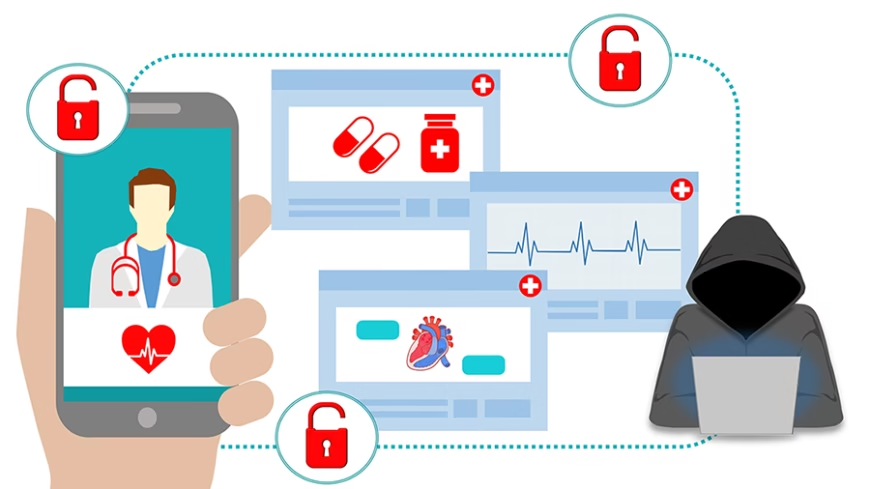
In the healthcare sector, safeguarding patient data and ensuring uninterrupted service delivery are paramount. With the rapid adoption of digital technologies, healthcare organizations increasingly depend on third-party vendors for various services, including electronic health records (EHR) systems, cloud storage, telemedicine platforms, and medical device integrations. While these digital solutions enhance operational efficiency and patient care, they also introduce significant cybersecurity risks.
Healthcare organizations must recognize that vendor-related vulnerabilities can expose sensitive patient information to cyber threats such as data breaches, ransomware attacks, and unauthorized access. The interconnected nature of modern healthcare systems means that a single weak link in the supply chain can have severe consequences, affecting compliance with regulations such as the Health Insurance Portability and Accountability Act (HIPAA) and the Ghana Data Protection Act, 2012 (Act 843).
To mitigate these risks, a third-party information security assignment checklist is essential. This structured framework provides healthcare organizations with a systematic approach to evaluating, monitoring, and managing vendor security risks. It helps organizations establish clear security expectations, conduct thorough risk assessments, and implement continuous monitoring strategies.
By integrating a robust third-party security evaluation process, healthcare providers can enhance their cybersecurity posture, protect patient confidentiality, and maintain operational resilience. This proactive approach ensures that external vendors align with industry best practices and regulatory requirements, ultimately strengthening the overall security framework of the healthcare system.
The Growing Threat Landscape in Healthcare
Healthcare organizations are prime targets for cyberattacks due to the sensitive nature of the data they handle. From electronic health records to imaging systems, the reliance on third-party vendors introduces vulnerabilities that attackers can exploit. Recent high-profile breaches have demonstrated the devastating impact these incidents can have on patient trust, regulatory compliance, and financial stability.
In Ghana, the healthcare sector is rapidly digitizing, driven by initiatives to improve access and efficiency. However, this transformation brings an increased risk of third-party cyber threats. It is crucial for healthcare organizations to adopt robust vendor risk management practices to safeguard both patient data and public health infrastructure.
Third-Party Information Security Checklist
Inspired by global standards like the Payment Card Industry Data Security Standard (PCI DSS) and Shared Security Assessments, the checklist offers healthcare organizations a comprehensive framework for evaluating vendor security. Below are the key areas of focus:
1. Information Security Governance
Vendors must establish a strong governance framework, including a dedicated security officer, annual risk assessments, and a clear information security strategy. This ensures accountability and compliance with health-sector-specific regulations such as Ghana’s Data Protection Act and Cybersecurity Act.
2. Compliance with Privacy Laws
Healthcare organizations must ensure vendors adhere to privacy regulations, such as HIPAA in the United States or equivalent local frameworks. Vendors should document how patient data is collected, processed, and stored while implementing strategies to mitigate privacy risks.
3. Network and Physical Security
Securing healthcare networks is paramount. Vendors must employ advanced measures such as encryption, firewalls, and intrusion detection systems to protect patient data. Additionally, physical safeguards like controlled access to server rooms and monitoring systems are essential.
4. Contingency Planning and Incident Response
Healthcare services cannot afford disruptions. Vendors must have comprehensive disaster recovery and business continuity plans in place. Regular testing of these plans ensures quick recovery from potential cyber incidents, minimizing the impact on patient care.
5. Employee Security and Awareness
Employees handling patient data must undergo regular training on cybersecurity best practices. Vendors should enforce background checks, mandatory security training, and phishing simulations to reduce human errors that could lead to breaches.
Why It Matters for Ghana’s Health Sector
Ghana’s healthcare system is in the midst of a significant digital transformation, moving away from traditional paper-based processes to embrace sophisticated digital solutions. Electronic health record (EHR) systems and telemedicine platforms are becoming central to delivering quality healthcare across the nation. These technologies not only streamline patient care but also enhance the efficiency of healthcare operations, leading to faster diagnoses, better treatment coordination, and improved patient outcomes.
However, this rapid technological advancement brings with it a heightened exposure to cybersecurity risks. As healthcare organizations increasingly rely on third-party vendors for the development, management, and support of these digital systems, the potential for security vulnerabilities escalates. These vendors often have access to critical systems and sensitive patient data, which makes them an attractive target for cybercriminals. Any lapse in the cybersecurity measures of a vendor can result in data breaches, ransomware attacks, or other malicious activities that compromise patient privacy and the overall integrity of the healthcare system.
Adopting comprehensive tools like the Third-Party Information Security Checklist is essential in this context. Such a checklist serves as a proactive framework for healthcare providers, enabling them to thoroughly assess and manage the cybersecurity practices of their vendors. By implementing a structured approach to vendor evaluation, healthcare organizations in Ghana can:
- Identify Vulnerabilities Early: Systematically evaluate vendor security measures to pinpoint potential weaknesses before they can be exploited.
- Ensure Regulatory Compliance: Verify that third-party vendors adhere to national and international data protection regulations, safeguarding the organization against legal and financial repercussions.
- Protect Sensitive Data: Maintain the confidentiality and integrity of patient information by enforcing strict security protocols across the entire digital supply chain.
- Build Public Trust: Enhance the credibility of digital healthcare systems by demonstrating a strong commitment to cybersecurity, which in turn fosters trust among patients and stakeholders.
In a rapidly digitizing healthcare landscape, these measures are not merely precautionary they are critical. By ensuring that vendors implement stringent security measures, Ghana can secure its healthcare infrastructure against evolving cyber threats. This proactive stance not only protects patient data but also supports compliance with regulatory frameworks and reinforces the public’s confidence in the country’s digital health services.
The adoption of tools like the Third-Party Information Security Checklist is a strategic imperative for Ghana’s health sector. It equips healthcare organizations with the means to navigate the complex challenges of digital transformation, ensuring that vulnerabilities in cybersecurity do not undermine the benefits of innovation.
Conclusion
In the health sector, third-party risk management is not just a compliance requirement, it is a critical aspect of patient safety and care continuity. As Ghana advances its digital healthcare infrastructure, prioritizing third-party security will be essential to achieving sustainable and secure growth.
By fostering a culture of security-first partnerships, healthcare organizations can safeguard sensitive patient information, enhance public trust, and ensure the resilience of Ghana’s healthcare systems. The third-party information security checklist provides the framework needed to achieve these goals and secure the future of healthcare in Ghana.
Author: Abubakari Saddiq Adams a Business IT & IT Legal Consultant with a focus on IT Governance and Cybersecurity | Member, IIPGH
For comments, please get in touch with +233246173369/+233504634180 or email Abubakrsiddiq10@gmail.com.


